Australian Government Reminds People to Act Now, Stay Secure Online,
澳洲政府提醒民众:立即行动, 保持上网安全, 不要让自己成为受害者
- 更新所有软件,确保设备安全
- 为每个账户设立独一无二的高强度密码词
- 设置多重身份认证(MFA)
Ref: https://www.actnowstaysecure.gov.au/


Australian Government Reminds People to Act Now, Stay Secure Online,
澳洲政府提醒民众:立即行动, 保持上网安全, 不要让自己成为受害者
Ref: https://www.actnowstaysecure.gov.au/

Congratulations to 2025 King’s Birthday Honours Recipients with Chinese Heritage
祝賀華裔人士獲頒2025年国王生日勳銜

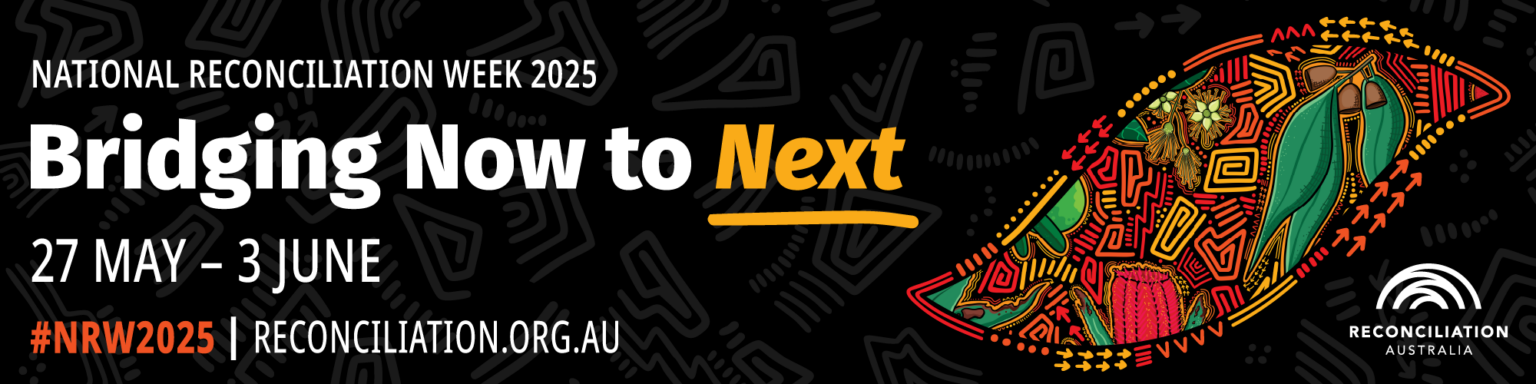
National Reconciliation Week 2025: 27 May – 3 June
2025年全国和解周: 5月27日 – 6 月3日
National Reconciliation Week (NRW) is a time for all Australians to learn about our shared histories, cultures, and achievements, and to explore how each of us can contribute to achieving reconciliation in Australia. This year’s theme, Bridging Now to Next, reflects the ongoing connection between past, present and future.
Bridging Now to Next calls on all Australians to step forward together, to look ahead and continue the push forward as past lessons guide us.
The Chinese Community Council of Australia, Victoria Chapter (CCCAV) marks National Reconciliation Week, reaffirming its commitment to reconciliation and solidarity with our First Nations people.


什么是“和解”?
和解是澳大利亚强化原住民和托雷斯海峡岛民与非原住民族关系的重要议程,是有益所有澳大利亚人的行动。
对原住民和托雷斯海峡岛民来说,澳大利亚的殖民统治历史充斥着肆意掠夺土地、血腥暴力和种族歧视的不正义。
在过去的半个世纪中,我们的和解之路实现了多个重要的里程碑。
但是我们不能忘记,和解是一个持续的旅程。数代澳大利亚人的呕心沥血换来了富有意义的变化,然而要实现美好的未来需要所有人越发努力,付出更多。
全国和解周
全国和解周(National Reconciliation Week)是了解我们共有的历史、文化和成就的时刻,也是每个人思索如何为在澳大利亚实现和解作出贡献的时刻。
全国和解周每年5月27日至6月3日举行。
5月27日是1967年澳大利亚全体公民投票周年纪念日。这次公投废除了宪法中歧视原住民和托雷斯海峡岛民的法律和条例。
6月3日是纪念1992年澳大利亚最高法院宣布马博案(Mabo)裁决的日子。这项具有里程碑意义的裁决推翻了“无主地”(terra nullius)的法律观念,并首次正式承认澳大利亚原住民和托雷斯海峡岛民对他们传统土地的原住权(native title)
每年全国和解周期间,数以千计的工作场所、学校、幼儿早教机构、大学、地方政府议会、社区团体和个人都会以各种形式举行私人或公开的纪念活动。
2025年全国和解周
2025年全国和解周(National Reconciliation Week – NRW)主题定为“Bridging Now to Next”(鉴古知今通未来),以反映过去、现在和未来三者之间不可分割的联系。
此时此刻,澳大利亚的和解之路正面临着不可确定的前景。今年的主题旨在呼吁所有澳大利亚人携手同行,迈进至关重要的一步。
“Bridging Now to Next”(鉴古知今通未来)敦促我们以历史为鉴,关注未来,继续披荆斩棘,不懈前行。
在由Kalkadoon部落原住民Bree Buttenshaw女士创作的#NRW2025主题艺术品中,一系列火灾过后又会很快萌发新芽并能在恶劣环境中茁壮成长的本土植物象征了我们的集体力量和浴火重生的希望。这是我们成长、反思和致力携手同行的时刻。
澳大利亚的和解之路从来就不是一条康庄大道,既有巨大进步,也有令人失望的挫折。
25年前,原住民和托雷斯海峡岛民领袖与非原住民领袖在Corroboree 2000集会上汇聚一堂,为启动和解发出了具有历史意义的呼吁。2025年是我们为和解进程再接再厉的一年。我们邀请所有澳大利亚人响应“Bridging Now to Next”(鉴古知今通未来)这一主题,为拥有一个更加团结和弘扬尊重的国家搭建通向未来的桥梁。
Ref: https://www.reconciliation.org.au/our-work/national-reconciliation-week/
Third Civics Education Workshop Successfully Held in Victoria
维州华人社区公民教育讲座第三期成功举办
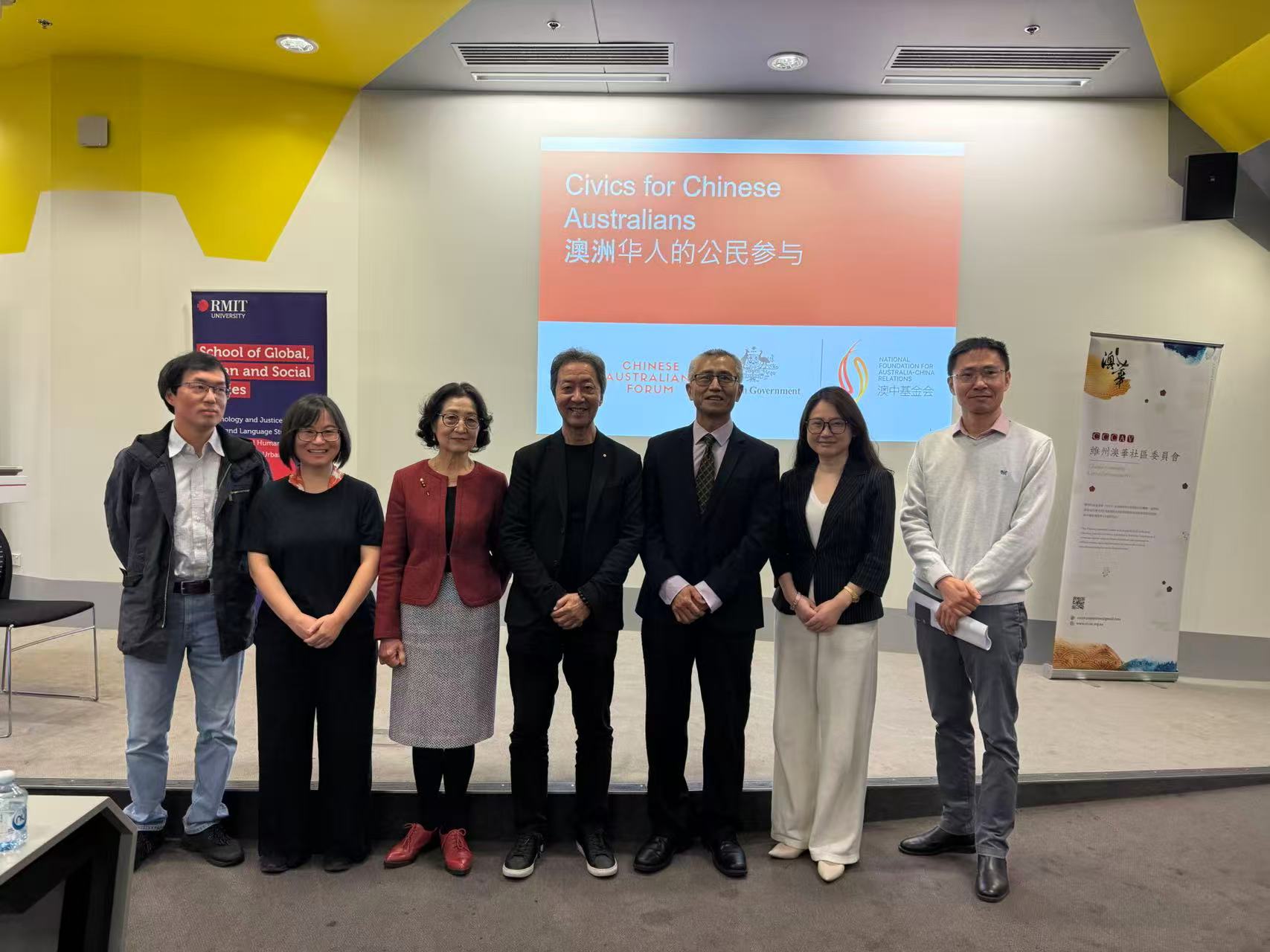
Following the success of two earlier workshops, the Third Civics Education Workshop for the Chinese‑Australian community in Victoria was successfully held on Saturday, 10 May 2025, at RMIT University in Melbourne, drawing more than seventy participants.
The event began with an Acknowledgment of Country delivered by respected community leader Ms Guosheng Chen. Dr Jing Qi, Convenor of the Chinese Australian Studies Forum at RMIT, served as MC, guiding the program and introducing speakers. Jimmy Li, President of the Chinese Community Council of Australia, Victoria Chapter (CCCAV), formally welcomed participants, followed by Simon Chan AM, President of the Chinese Australian Forum (CAF), who spoke about the purpose and significance of the civics education series.
Co‑organised by CCCAV and the Chinese Australian Studies Forum at RMIT, the workshop furthered the series’ mission to strengthen community understanding of Australian democracy, civic participation, and the recognition of misinformation and disinformation. Delivered in both Mandarin and English, the session featured a keynote presentation by Dr Eric Fu, Senior Research Fellow in Civics and Citizenship Education at the University of Melbourne, who guided attendees through key concepts and case‑based discussions.
Throughout the afternoon, participants gained insights into how democratic institutions function, practical steps for engaging with Australia’s political processes, and strategies for critically evaluating information—topics that have remained central to the workshop series from its inception.
Supported by the Australian Government’s National Foundation for Australia‑China Relations and the Chinese Australian Forum (CAF), this third workshop reflects a deepening commitment to equipping Chinese‑Australian residents with the knowledge and confidence needed for active, informed civic participation. It also demonstrates the community’s growing demand for civics education, building on the momentum of earlier sessions and strengthening collaboration between community organisations and academic partners.


Seeking Young Singers for Multicultural Anthem “We Are Australia”
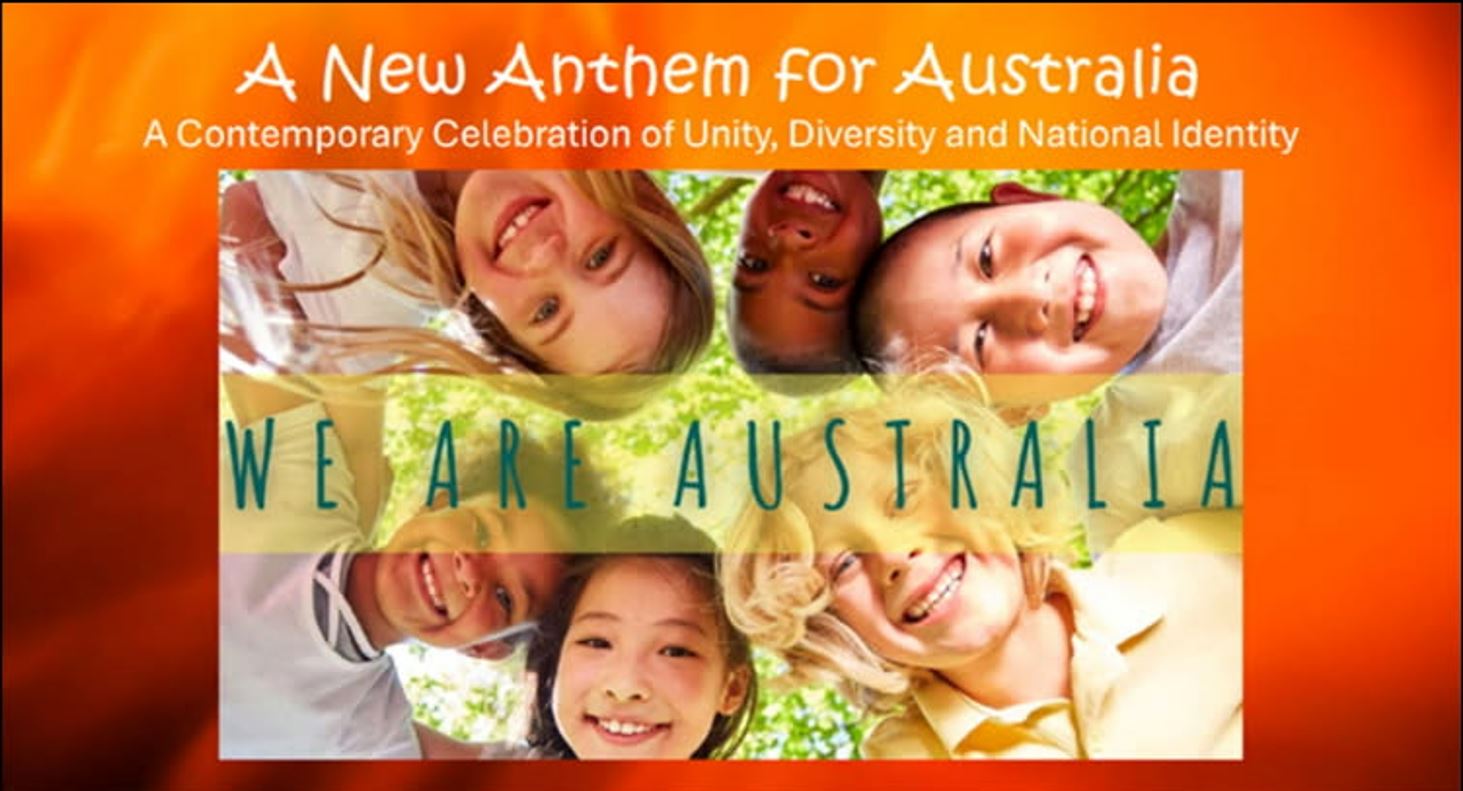
JCL Productions P/L and Project Television P/L invite talented singers aged 6-17 from diverse backgrounds for a multicultural anthem “We Are Australia”. Winners will feature in new music videos proposed for Australia Day, Harmony Week and the Brisbane 2032 Olympics. Submit your video by 1 August 2025.
For more information, please contact: JonClaire@jclproductions.com.au
Ref: https://www.facebook.com/story.php?story_fbid=10161719094711472&id=706681471
征集青少年歌手参与演唱多元文化主题歌曲《我们是澳大利亚》
JCL制作公司与Project电视公司现面向全国征集年龄在6至17岁之间的优秀青少年歌手,参与演唱多元文化主题歌曲《We Are Australia 我们是澳大利亚》。入选者将参与拍摄全新音乐视频,计划用于澳大利亚日、和谐周以及2032年布里斯班奥运会的宣传推广。请于2025年8月1日前提交你的视频作品。
请联系: JonClaire@jclproductions.com.au
参考: https://www.facebook.com/story.php?story_fbid=10161719094711472&id=706681471


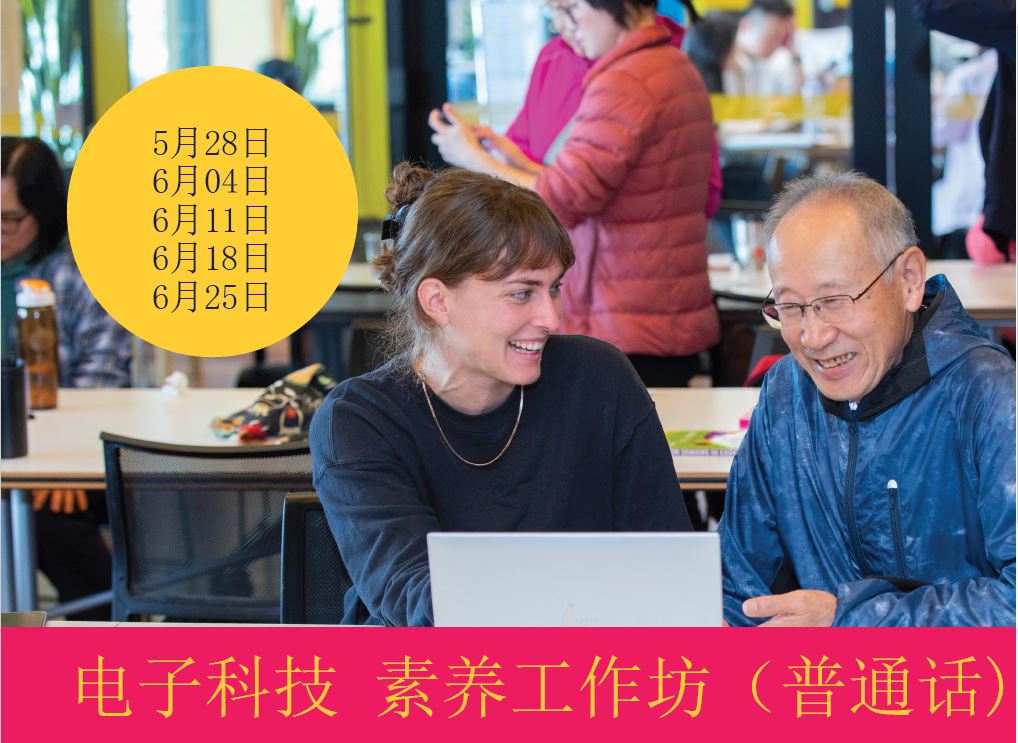
Welcome to attend a free five-week digital literacy workshop series, designed for Mandarin-speaking seniors aged 55 and over. The program will be held at narrm ngarrgu Library and Family Services in the Melbourne CBD.
Sessions are delivered entirely in Mandarin by young Mandarin-speaking tech helpers from Lively, and are designed to help older adults build confidence using everyday digital tools. Each week focuses on a different topic, with hands-on, beginner-friendly content tailored to the needs of Mandarin-speaking community members.
欢迎参加为期五周的电子科技素养工作坊,专门面向讲普通话的老年人,所有课程将以普通话授课。每节课聚焦一个不同的实用主题,帮助您提升使用电子设备的信心。课程内容实用、适合初学者,并贴近普通话使用者的需求。
Workshop Schedule / 工作坊时间安排


Congratulations to the Re-elected and Newly Elected Federal MPs with Chinese Heritage

Upcoming Event: Unveiling of Chinese Textile Donations from Tyon Gee at the Chinese Museum
The Museum of Chinese Australian History invites you to join a special event to unveil Tyon Gee’s stunning capsule collection.

Born in Deshan, Guangdong, Tyon Gee moved to Sydney in 1939 with her husband, William, and their two children. Among her most treasured belongings was a carefully chosen collection of Chinese clothing which served as a lasting connection to her home and heritage.
Through Tyon Gee’s personal journey and the intricate craftsmanship of these garments, we share the story of Chinese immigrants in Australia during the 1930s. The collection highlights the blend of tradition and adaptation in a new land, shaping both identity and the preservation of cultural roots.
Don’t miss this rare opportunity to experience a collection that brings history to life through fabric, fashion, and home.
Open Letter Requesting an Apology from Senator Jane Hume for Unfair Remarks Targeting Chinese-Australian Volunteers in the 2025 Federal Election
6 May 2025
The Chinese-Australian community is deeply concerned by the unsubstantiated remarks made by Senator Jane Hume referring Chinese-Australians volunteering for a federal candidate as alleged “Chinese spies”. Her remarks, made on Channel 7’s Sunrise program last week, cast unwarranted suspicion on Chinese-Australian volunteers involved in the 2025 federal election campaign.
Senator Hume’s public comments, made without evidence, have fostered negative and unfair perceptions that undermine the legitimacy of Chinese-Australian civic engagement. Many individuals in our community, who were exercising their democratic rights as Australian citizens, have found these implications to be both offensive and unjust.
Suggesting or implying that Chinese-Australians engaging in lawful campaign activity are somehow untrustworthy is not only discriminatory but also detrimental to the principle of equality that is fundamental to the Australian society. Such irresponsible remarks promote racial profiling, undermine the equal status of Chinese-Australians in public life, and discourage civic involvement by fostering an atmosphere of suspicion based solely on cultural background.
These concerns have been widely echoed by thousands across the Chinese-Australian community, reflecting the profound impact of Senator Hume’s comments.
The Chinese Community Council of Australia, Victoria Chapter (CCCAV) and co-signatories request Senator Hume to withdraw her remarks and issue a public apology to the Chinese-Australian community. We believe that it is essential for all political leaders to engage responsibly in public discourse and to uphold the principle that every Australian citizen, irrespective of their background, has the right to participate freely and equally in our nation’s democratic process without fear or prejudice.
Signed: (If you or your organisation would like to co-sign this letter, please send an email to cccav.committee@gmail.com with your full name or the name of your organisation)
公开信的中文译文:
致简·休姆参议员的公开信:
要求就针对2025年联邦选举中的澳大利亚华裔志愿者的不公正言论公开道歉
2025年5月6日
澳大利亚华人社区对简·休姆参议员发表的毫无根据的言论深感关切。她在上周七号台《Sunrise》节目中,将参与联邦候选人竞选活动的澳大利亚华裔志愿者指控为“中国间谍”,这一言论毫无事实依据,对参与2025年联邦选举的华裔志愿者带来了无端质疑。
休姆参议员在缺乏任何证据的情况下公开发表此类言论,助长了对华人社区负面且不公正的看法,削弱了华裔澳大利亚人积极参与公民事务的正当性。许多在依法行使民主权利的澳大利亚华人,对这些暗示感到既冒犯又不公正。
暗示或影射华裔澳大利亚人在参与合法的选举活动时不值得信任,不仅具有歧视性质,还破坏了澳大利亚社会的平等原则。此类不负责任的言论助长了种族定性,损害了华裔澳大利亚人在公共生活中的平等地位,并通过制造基于族裔背景的怀疑氛围,打击了公民的参与热情。
这一事件在华人社区中引发了强烈反应,成千上万的人对该言论表示愤怒和不满,充分体现了休姆参议员言论所造成的严重负面影响。
维州澳华社区委员会(CCCAV)及其他联署团体和个人要求休姆参议员撤回其不当言论,并向华人社区公开道歉。我们坚信,所有政治领导人应在公共言论中保持审慎,恪守尊重与包容的原则,确保每一位澳大利亚公民——无论其出身背景如何——都能在无惧与无偏见的环境中自由、平等地参与国家的民主进程。
(如果您或贵团体希望联合签署此公开信,请发送电子邮件至cccav.committee@gmail.com,附上您的全名或贵团体名称)

Congratulations to Women Support Inc. on Winning Inclusive Volunteering Award at the Inclusive Volunteering Awards and Conference on 29 April 2025.
Women Support Inc., founded and led by June Anderson, has provided vital support to numerous vulnerable women through the tireless efforts of a dedicated team of volunteers.
Ref: https://events.humanitix.com/inclusive-volunteering-awards-and-conference-2025


